Core Body Temperature Drop – What Does That Mean for Night Workers?
If you’ve ever performed a late-night DJ set or found yourself fumbling through gear in a dim backstage corner at 4 a.m., you’ve probably felt the weight of fatigue creeping in despite adrenaline and caffeine. Yet Homepage beneath the surface of that grogginess lies a fundamental biological rhythm influencing your alertness and performance — your core body temperature’s daily ebb and flow.
For night workers — whether touring musicians hopping through time zones with flight cases in tow or late-shift crew clutching USB sticks laden with playlists — understanding what a drop in core body temperature means is vital. It's a key window into your circadian rhythm, sleep physiology, and why "flipping your schedule" to work nights is never as straightforward as it seems.

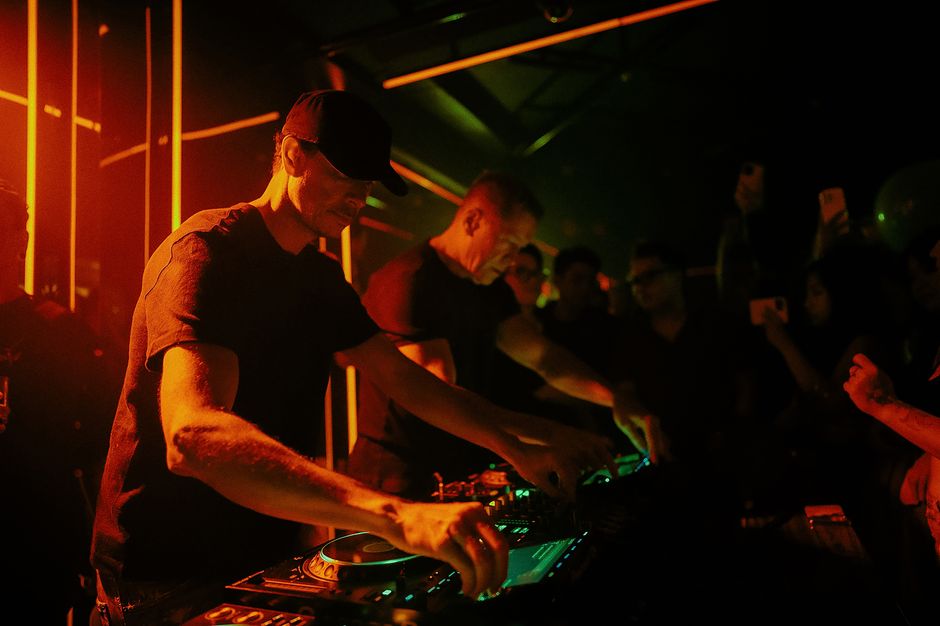
The Circadian Rhythm and Core Body Temperature
Our bodies run on a circadian rhythm, a roughly 24-hour internal clock synchronized to environmental cues, primarily light and darkness. This rhythm orchestrates countless physiological processes, including hormone release, metabolism, and importantly — core body temperature.
Core body temperature follows a predictable pattern: it peaks in the late afternoon and reaches its lowest point, known as the circadian low point, in the early morning hours (typically between 3 a.m. and 5 a.m.). This temperature drop is not a malfunction but an integral part of sleep physiology. It signals your body that it’s time to rest, helping initiate and maintain sleep.
- Visual cue: Just like the dimming backstage lights cue the start of a set, diminishing natural light at night cues your circadian rhythm.
- Physiological impact: As temperature drops, you feel more tired and less alert—this is your biological system telling you to wind down.
Light Cues and Their Role in Circadian Timing
For touring musicians and night workers whose "day" may start when the sun sets, the absence of morning light disrupts the cues your brain uses to keep the circadian rhythm on schedule. In these scenarios, artificial light, including smartphone screens, stage lights, and green-room LEDs, can further confuse your body's clock.
For instance, pulling a USB stick from your flight case at 2 a.m. to prep your set might be routine, but those retail strip LEDs and pitch-black curtains failing to block streetlights contribute to delayed or irregular circadian signaling. The result? Increased night shift fatigue and impaired alertness precisely when you need to be sharpest.
Shift Work Research Applied to DJs and Night Workers
The extensive research on shift workers, such as nurses or emergency responders, applies directly to DJs and crew who work overnight. Studies consistently highlight the mismatch between external demands and internal biology as the root cause of fatigue, reduced cognitive function, and health risks.
Key findings include:
- Fatigue Peaks Align With Circadian Low Points: Performance dips and subjective sleepiness intensify during the early morning body temperature nadir.
- Schedule Flipping is Complex: Attempting to switch between night and day shifts (such as weekend touring gigs followed by daytime rest) leads to fragmented sleep — your body struggles to adjust its temperature rhythm accordingly.
- Light Therapy & Strategic Napping: Controlled exposure to bright light and well-timed naps can mitigate fatigue but require precision to avoid further circadian disruption.
A DJ’s Perspective: Scheduling Reality vs. Supplement Hype
In club DJ culture, there’s a romanticized notion of all-nighters being a badge of honor — the so-called "grind." However, believing caffeine or energy drinks can substitute for the biological consequences of a circadian low point is misleading. Supplements that claim to "boost energy" often ignore that your core body temperature drop signals a deep, evolutionarily ingrained need for sleep and rest.
Packing your USB sticks correctly or securing your gear in a flight case won't protect your brain from fatigue. The reality is your schedule — the wake time, the length between gigs, the light exposure — plays a more significant role in how rested and alert you https://highstylife.com/festival-backstage-quiet-space-does-it-actually-help-artists-recover/ feel than any energy hack.
Schedule Flipping and Weekend Touring Challenges
Weekends often complicate circadian rhythms, especially for touring artists. Playing a late-night set in a new city is a time shift on steroids: fluctuating between local time zones, late finish times, and daytime travel all contribute to a disrupted temperature rhythm.
The usual day-to-day cues get muddled:
- Flight Case Logistics: One city’s blackout curtains may fail, or hotel light leakage may prevent quality sleep.
- USB Stick Prep: Managing sets late at night when your circadian low makes digital precision sluggish.
- Travel Fatigue: Early morning flights after night sets force your body to perform at its circadian low point, intensifying fatigue.
These factors compound, making it harder to switch back to daytime sleep cycles post-tour. Sleep becomes fragmented, your core temperature drop no longer signals restful night sleep but fractured rest.
Time Zones and Routing Tradeoffs: Balancing Efficiency and Physiology
Tour routing often prioritizes geographical efficiency, but time zones complicate the circadian calculus. Crossing multiple zones in rapid succession imposes what’s effectively jet lag—a conflict between external local time and your internal clock governing core body temperature.
Some common tradeoffs include:
Routing Strategy Pros Cons Impact on Core Body Temperature and Fatigue Fast Forward Progression (Eastward Travel) Arrive 'earlier' locally, less time awake before next gig Harder to advance circadian rhythm, longer sleep disruption Body temperature low often mismatched with local night, increased night shift fatigue Slow Westward Travel Easier to delay circadian rhythm, often better sleep adjustment Longer flights and potential venue scheduling conflicts More stable core temperature patterns, reduced fatigue but logistical challenges Back-to-Back Gigs Across Time Zones More gigs in less calendar time Severe circadian misalignment, fragmented sleep Deepening circadian low fatigue, risk of impaired performanceUnderstanding these tradeoffs can empower night workers to better communicate and plan with managers, agents, or promoters, prioritizing physiology alongside convenience.
Practical Advice for Night Workers Based on Core Body Temperature Rhythms
While the biological rhythms underlying tiredness can feel immutable, there are ways to work with, not against, your core body temperature cycles:
- Optimize Sleep Environments: Invest in blackout curtains (and note their failures!), eye masks, and earplugs to simulate night during daytime sleeps.
- Control Light Exposure: Use bright light strategically to signal wake times, and minimize blue light before intended sleep times.
- Plan Naps Wisely: Short naps taken before or after circadian low points can bridge alertness dips.
- Manage Schedule Consistency: Avoid abrupt flipping between day and night schedules whenever possible.
- Be Realistic About Supplement Use: Use caffeine judiciously, and avoid expecting it to compensate fully for biological low points.
For touring artists, keeping a pack list that includes sleep aids (earplugs, masks), managing light exposure in hotel rooms, and organizing gear healthily (checking flight case locks and cable tags) can ease transitions between venues and time zones.
Conclusion
The daily drop in core body temperature is a natural biological signal marking your brain’s readiness for rest and recovery. For night workers and touring musicians, respecting this rhythm — even when the external environment demands late nights and early flights — is crucial to managing night shift fatigue and maintaining cognitive function.
Behind every perfectly cued USB stick and locked flight case lies an often overlooked internal clock ticking relentlessly, guiding your body's need for rest. Recognizing and accommodating your circadian low point, rather than ignoring it, can mean the difference between a successful night and a fatigued stumble through your set.
Next time you unpack your gear or flip through tracks in the small hours, remember: your core body temperature is not just a number; it’s the biological core of your nightshift rhythm.