Do Older Adults Actually Need Less Sleep or Is That a Myth?
“I guess I just need less sleep now,” is something you might hear often from older adults. But is that true? There’s a widespread sleep myth older adults often fall into thinking — that as people age, their sleep needs drop significantly. The truth is more complex and backed by science. In fact, experts generally recommend about 7 to 8 hours of sleep after 65, just like younger adults.
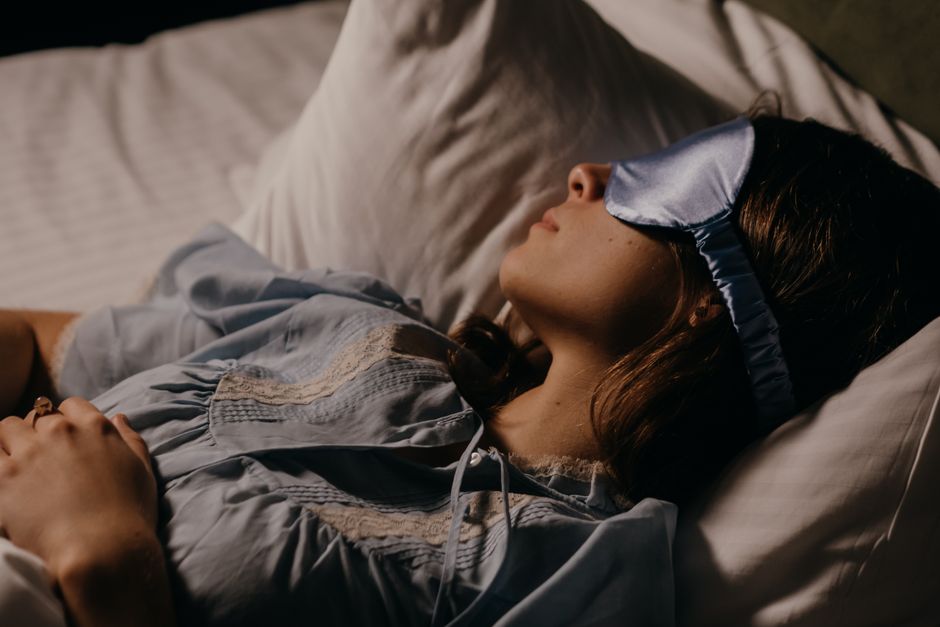
Let’s unravel what really happens to sleep as we age, explain why sleep feels lighter and melatonin dose 0.5 mg more interruptible, discuss how your body clock shifts earlier, and share a powerful, free fix involving morning light.
Sleep Needs by Age: What Does Science Say?
The National Sleep Foundation and other sleep organizations recommend that older adults maintain roughly 7 to 8 hours of sleep each night, similar to younger adults. According to the National Sleep Foundation’s 2015 update, adults over 65 should aim for 7–8 hours to support health, cognitive function, and overall well-being.

So this idea that you “need less sleep” is a misconception. The problem is more about how easy it is to get those hours and the quality of that sleep.
Table: Recommended Sleep Duration by Age Group
Age Group Recommended Sleep Duration 18–64 years 7–9 hours 65+ years 7–8 hoursWhy Sleep Feels Different After 50 or 65
People often report waking up more frequently at night or struggling to stay asleep as they grow older. This experience is not because you need less sleep, but because:
- Deep Sleep Declines: The stage known as slow-wave, deep sleep — critical for physical restoration and memory consolidation — decreases with age. This means older adults spend less time in this rejuvenating sleep.
- Lighter Sleep Dominates: The lighter sleep stages become more common, and lighter sleep is more easily disturbed by noise, temperature changes, or bathroom trips.
- Circadian Rhythm Shifts Earlier: After 50, your internal clock shifts so that your natural sleep and wake times are earlier. This is why many older adults feel sleepy earlier in the evening and wake up before dawn.
Remember my favorite porch-coffee example: Just like sitting early in the morning sunlight energizes you, the timing of natural light exposure helps set your sleep clock. Losing that morning light timing shifts everything earlier, making night sleep feel shorter or more fragmented.
How Circadian Rhythm Changes Affect Sleep
Our body’s circadian rhythm controls when we feel awake and sleepy. With age, this rhythm advances, causing earlier internal evening and morning signals. So even if you climb into bed at the same time as you did younger, your body might be ready to sleep earlier and wake earlier. This can lead to frustration when socially or professionally you’re expected to stay awake later.
Why "Less Sleep" Often Feels Like the “New Normal”
Older adults often think they’re naturally sleeping less because it requires more effort to fall asleep or stay asleep through the night. But these issues usually have underlying causes:
- Medical conditions causing discomfort or pain
- Side effects or timing of medications (What time do you take it? Evening meds can hinder sleep)
- Lifestyle factors such as lack of daytime activity or irregular sleep schedules
- Insufficient exposure to natural light, exacerbating circadian shifts
Morning Light: The Free, Powerful Fix
One of the best, simplest ways to help reset an aging circadian rhythm is morning light exposure—preferably outside. Just 20 to 30 minutes of sunlight soon after waking helps to:
- Re-anchor your internal clock to a stable schedule
- Boost daytime alertness
- Improve nighttime sleep quality
Especially for those 50 and above, getting that porch coffee outside (or a brisk walk in the morning sun) delivers a powerful natural signal to your brain that it’s daytime. This helps your body release melatonin at the right time later, improving sleep depth and duration.
Sleep Aisle Traps to Avoid for Older Adults
Before I leave you with these tips, here’s a quick list from my sticky note of common sleep aisle traps — especially relevant if you or a loved one are over 50 and struggling:
- High-dose melatonin: More is NOT better. Stick to low doses (0.3 to 1 mg) and don’t take it every night without medical advice.
- Over-Reliance on OTC Sleep Aids: Many contain antihistamines that cause daytime drowsiness and pose fall risks.
- Ignoring Medications: Tell your provider your sleep issues and review all nighttime meds for side effects interfering with rest.
- Neglecting Bright Light Exposure: Staying indoors all day can worsen delayed or advanced sleep phase problems.
Practical Tips to Optimize Your Sleep After 65
- Establish a consistent bedtime and wake-up time: Your body loves routine.
- Get morning sunlight: Aim for at least 20 minutes outside soon after waking.
- Limit naps: If a nap is needed, keep it brief (20-30 minutes) and before mid-afternoon.
- Evaluate your medications: Ask your health provider what time is best to take them and if any may harm sleep.
- Practice good sleep hygiene: Keep your bedroom cool, dark, and quiet. Avoid caffeine and electronics before bed.
- Talk to your doctor if you snore, feel excessively sleepy, or have pain: There might be underlying sleep disorders like sleep apnea.
Summary: The Bottom Line on Sleep Needs by Age
The idea that older adults simply need less sleep is a myth. While the quantity of sleep recommended remains about the same (7 to 8 hours after 65), the quality of sleep changes with aging—less deep sleep, more easily interrupted—and circadian rhythms shift earlier.
Getting natural morning light exposure, managing medications wisely, and practicing consistent habits can improve sleep quality. Don’t settle for the misconception that your body “just needs less” rest. Your brain and body still rely on that rejuvenating sleep to keep you sharp and healthy.
If you found this post helpful, please share it to help bust this common sleep myth among your family and friends using the links below!
Share This Article
- SMS