How do I stop drinking when I don't even feel stressed, just bored?
You don’t have to be stressed to want a drink. Sometimes the day is simply over, the house is quiet and your usual evening feels a bit flat. A drink can add flavour, mark the end of work or give your hands something to do. That is enough to make it appealing.
If you’re drinking because you’re bored, telling yourself to “just relax” probably won’t help. The useful question is: what job is this habit doing? Once you know what the drink provides, you can design another way to get some of that same effect—without relying on willpower alone.
This isn’t about making every evening productive or banning pleasure. It’s about creating more choice: a drink-free night that still feels like an evening, not a punishment.
Why boredom drinking can become a habit
Boredom isn’t always an empty feeling. It can be a desire for novelty, stimulation, company or a clear change of scene. Alcohol may seem to answer that quickly: pouring a drink gives you an action, a taste and a little ritual. Over time, your brain can connect the time, place or cue—finishing work, starting dinner, sitting on the sofa—with the drink that follows.
That’s the habit loop boredom can build: a cue leads to a familiar action, which brings a reward. The reward might be the drink’s flavour, a sense of transition, or simply the feeling that the evening has started. If that loop is running on autopilot, you can find yourself reaching for a bottle before you’ve made a deliberate decision.
Notice the details without judging yourself. When does the urge arrive? What are you doing? What do you hope the drink will change? You’re gathering information, not making a case against yourself.
Work out what job the drink is doing
Before choosing a replacement, identify what you want from the drink. “I’m bored” is a good starting point, but a more specific answer makes it easier to find an alternative that fits.
- Stimulation: You want something interesting to happen.
- Transition: You need a signal that work or chores are finished.
- Sensory pleasure: You want a special taste, cold fizz, warmth or a satisfying pour.
- Permission to rest: You want to feel that you’re allowed to stop being useful.
- Company: You want a shared ritual or a reason to connect with someone.
- Something to do: You want your hands and attention occupied.
One drink may be doing several jobs. You don’t need to replace all of them with a single perfect activity. Instead, build a small menu of evening stimulation alternatives and match one to the need you notice.
Design a replacement ritual, not just a substitute drink
If you simply remove the drink, you may be left with the same cue and a blank space where the ritual used to be. A replacement works better when it has a clear first step, takes little effort and offers some of the same reward.
Try this simple plan:
- Keep the cue: For example, finishing your laptop shift or putting dinner in the oven.
- Change the action: Put your work things away, change clothes, step outside or make a drink you enjoy.
- Keep a reward: Choose something that feels genuinely pleasant, not like a virtuous chore.
The small first step matters. In a notebook, keep a list of tiny ritual starters you can do even when you have little energy: put the kettle on; open the back door for two minutes; change into comfortable clothes; fill a glass with ice; or put on one favourite song. You’re not committing to an elaborate new routine. You’re making it easier to begin.
Give the alternative a sensory cue
Sensory details help a new ritual feel distinct from the rest of the day. Pour a non-alcoholic drink into a proper glass. Add citrus, thecoachspace.com mint or ice; choose a warm mug for tea or a fizzy option if bubbles are part of what you enjoy. The point isn’t to pretend it is alcohol. It’s to make the choice feel deliberate and satisfying.
Also consider the room around you. Keep the alcohol somewhere less visible, or make the alcohol-free option the first thing you see in the fridge. Put a book, puzzle, sketchpad or headphones where you usually sit. These small changes reduce the number of decisions you need to make at the moment the habit gets cued.
Create an after-work transition without alcohol
When you work remotely, the boundary between “on” and “off” can be fuzzy. A drink may have become a very efficient end-of-day signal. Replace the signal with something that helps your body and attention register the change.
Choose a transition that suits your circumstances and repeat it in roughly the same order. For instance: close your laptop, write down tomorrow’s first task, change your clothes, then take a short walk around the block. Or shut the office door, wash your face and put music on while you make dinner. Keep it brief enough that you’ll actually do it.
If going out isn’t practical, move rooms or change the lighting. If you share a home, tell the people around you that you’re trying a different end-of-work routine. A clear transition doesn’t have to be impressive; it has to mark a line between work and rest.
Make rest a reward, not something you have to earn
Some people keep drinking in the evening because it seems to grant permission to stop. Without it, they feel they should catch up on chores, answer one more email or find a worthwhile activity. That can make a drink-free evening feel oddly demanding.
Try giving rest a place in the plan. You might decide in advance: “After dinner, I’m watching one episode, and I don’t need to justify it.” Rest is not a prize for finishing everything. There is always another task; being allowed to pause is part of a sustainable routine.
For a little more stimulation, pair rest with something engaging but low-pressure: a comedy, a game, a familiar podcast, a simple recipe or a call with someone you like. You’re not required to turn boredom into self-improvement. You’re looking for an evening that feels pleasant enough without alcohol.
Choose an alternative that matches the job
If the drink gives you… Try this first Make it easier by… Novelty or stimulation Try a new playlist, a short game, a different walking route or a hands-on hobby. Choose one option before the evening begins. A transition out of work Change clothes, close your work space or take a brief walk. Use the same cue each workday. Flavour and ceremony Make a favourite alcohol-free drink and serve it in a proper glass. Keep the ingredients visible and ready. Permission to stop Plan a guilt-free period of rest. Decide what “enough for today” means before you finish work. Something to do with your hands Cook, knit, doodle, do a small puzzle or make tea. Leave the activity out where you usually sit.Make the first drink-free evening very small
You don’t need to redesign your whole life tonight. Try a short experiment: delay your usual drink by 20 minutes and do one planned alternative during that time. Notice what changes—your urge, your mood, the level of boredom, or what you actually wanted.
You could also choose one or two specific alcohol-free evenings in advance, rather than making a vague promise to “drink less”. Put a satisfying alternative on the calendar. If you drink anyway, treat it as information: What cue was strongest? Was the replacement too much effort? What would make the next attempt easier?
If you usually drink at the same time, changing your environment can help. Put the bottle out of sight, avoid buying more for the week if that feels safe and manageable, and prepare your alternative before the usual urge arrives. The aim is not to create a test of character. It’s to make the preferred choice easier to reach.
Be thoughtful about products and professional advice
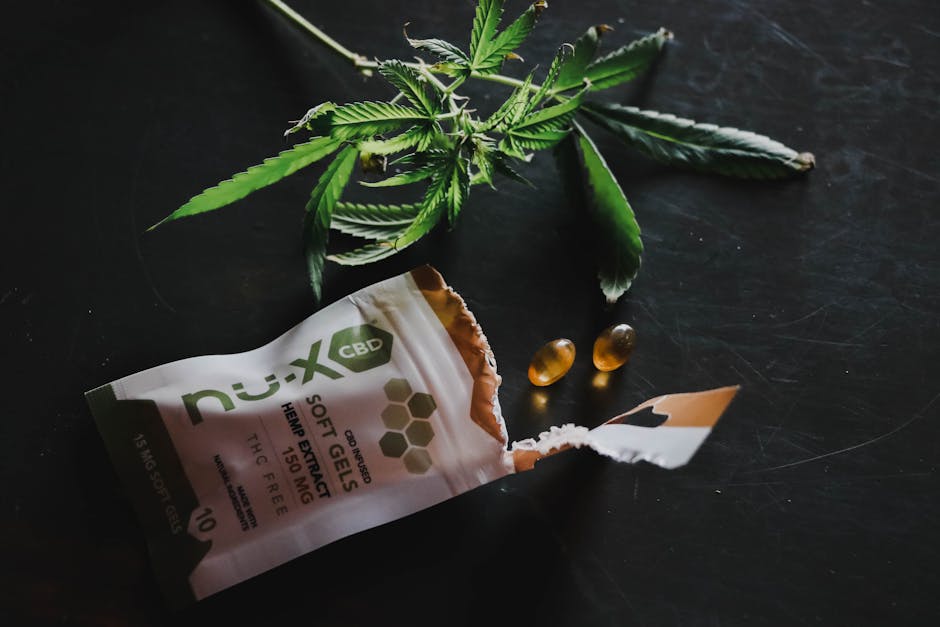
If you’re considering a product such as CBD as part of an evening routine, treat it as a separate decision from reducing alcohol. Don’t assume it is a proven treatment for boredom drinking or a guaranteed way to change your habits. For any product, check what it contains, how it is meant to be used and whether it could interact with medication. A pharmacist consultation can help you ask sensible questions, particularly if you take medicines or have a health condition.
Some retailers, including Joy Organics, provide access to QR code lab reports for certain products. A report may offer information about the tested product, but it doesn’t establish that it is suitable for you or that it will help you drink less. Check that the report relates to the specific item and batch, and ask a pharmacist if you’re unsure. Avoid using any product as a reason to combine substances or to ignore symptoms that need medical attention.
When extra support would be a good idea
There is a difference between wanting to change a habit and being physically dependent on alcohol. If you drink heavily or daily, need a morning drink, experience shakes, sweating, nausea or anxiety when you stop, or have tried to cut down and felt unwell, get medical advice before stopping suddenly. Alcohol withdrawal can be dangerous. Contact your GP or local alcohol support service for guidance; call 999 in an emergency, such as a seizure or severe confusion.

If you’re unsure how much you drink or how it is affecting you, a GP can help you talk it through without having to solve it alone. Coaching can also help with habit design and accountability. For example, The Coach Space may be a place to explore behaviour-change support, but coaching is not a substitute for medical care when dependence or withdrawal is a concern.
A simple plan for tonight
- At the usual drinking time, ask: “What job is the drink doing for me right now?”
- Pick one matching alternative—stimulation, transition, taste, rest or connection.
- Do the tiny first step: change clothes, make the drink, put music on or step outside.
- Give yourself permission to enjoy the evening without earning it first.
- Tomorrow, note what helped and adjust the plan without judging yourself.
Boredom drinking at night doesn’t mean you lack discipline or that something dramatic must be wrong. It may mean your evening has a familiar cue and a reliable reward. Keep the reward you value, redesign the ritual and make the first alternative easy to start. One well-chosen, ordinary evening is a perfectly good place to begin.