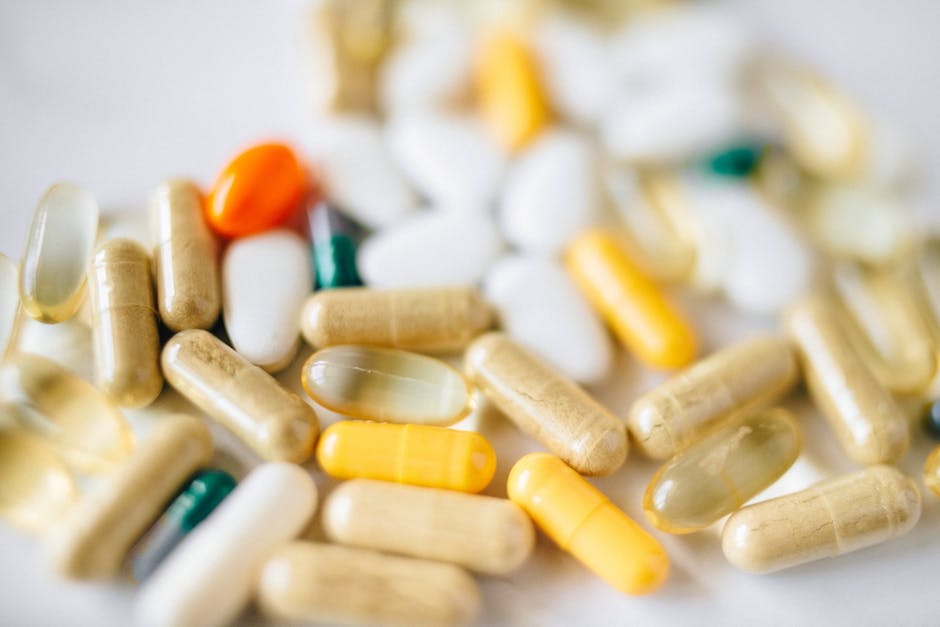
Is a Discount a Red Flag if It Means Skipping a Consultation?
When it comes to healthcare, saving money is a priority—but not at the cost of your safety. If you spot a discount for skipping consultation when obtaining prescription medication, it’s wise to stop and think about what you might be trading off. In today’s post, we’ll explore why proper clinical oversight matters, how NHS prescription charges really work, and how you can avoid unsafe shortcuts without missing out on legitimate savings.
Understanding NHS Prescription Charges: It’s Per Item, Not Per Visit
First, a quick refresher. If you pay NHS prescription charges, you’re charged per item dispensed, not for the number of consultations or visits. The current charge (as of 2024) is £9.65 per medication item prescribed. That means if you collect three different medicines in one go, you pay three times the fee unless you have a help with NHS prescription costs or exemption.
Knowing this is key before you consider any “discount” that cuts out the consultation but still sends you a prescription. Why? Because a price that’s https://www.myfavouritevouchercodes.co.uk/blog/smart-ways-save-health-and-wellness-2026 suspiciously low could reflect:
- No clinician checking if the medicine really suits your health needs
- Potential government compliance or ethical breaches
- Higher risk of side effects or drug interactions being missed
Example: Three Medication Items
Number of Items Charge per Item Total Cost without PPC 3 £9.65 £28.95Note: If you find a service offering these three items at much less, but with “no consultation,” that's a red flag: they might be skipping the crucial health check.
How a Prepayment Certificate (PPC) Can Save You Money
If you regularly pay prescription charges (say, for chronic conditions), a PPC is your best friend. It’s a flat-rate ticket to unlimited NHS prescriptions over its term.
Break-even Math: When Does a PPC Pay Off?
Current PPC prices:
- 3-month PPC: £30.25
- 12-month PPC: £108.10
If you take one item every month, the 3-month PPC costs about the same as three separate items (£28.95), so you start saving once you have 4+ items in that period. Over 12 months, paying for items individually becomes expensive quickly:
- Monthly item charge: £9.65
- Yearly cost without PPC: £115.80
- Yearly cost with 12-month PPC: £108.10
That means the 12-month PPC saves about £7.70 a year. Plus, you avoid the hassle of paying each time.
Payment Options: Monthly Direct Debit or Upfront
The 12-month PPC can be paid upfront or by a monthly direct debit, allowing you to spread the cost and avoid a big upfront bill. This makes budgeting predictable. Another reason to trust official channels: payment methods are transparent and regulated.
Keeping Track: Why a 3-month Bank Statement Audit Helps
One way to make sure you’re not overpaying is to check your bank statements every few months. Look out for:
- Unexpected charges
- “Silent renewals” (such as a PPC direct debit you forgot to cancel)
- Any inconsistencies with your prescription usage
Making an audit habit every 3 months can prevent paying for services or prescriptions you no longer need.
Eligibility for Free Prescriptions and Avoiding Penalties
Many people pay NHS prescription charges without checking if they're entitled to free prescriptions. Here are some key exemptions:
- Under 16 years old
- 16 to 18 years old and in full-time education
- People aged 60 or over
- Pregnant women or those with a related medical exemption certificate
- People with low incomes entitled to Income Support or Universal Credit
To avoid penalties or paying unnecessarily, always check the NHS exemption criteria before paying. Don’t fall into the trap of paying “just in case” or leaning on a discount that skips verification.
Pharmacy First: Pharmacist-Led Care and When a Consultation Is Essential
The NHS encourages patients to use Pharmacy First services for common illnesses. Here, pharmacists provide advice, advice on over-the-counter medicines, and can sometimes prescribe for minor conditions. But crucially, this is a consultation. Proper clinical oversight ensures the medicine suits your health history, current medications, and personal circumstances.
So, a discount that advertises “prescriptions without consultation” isn’t genuine Pharmacy First care—it’s an unsafe shortcut. Always ask:
- Is a qualified health professional involved?
- How is my safety assured without a consultation?
- What happens if the medicine prescribed isn’t suitable for me?
Why You Should Avoid Unsafe Shortcuts
Skipping consultations to save a few pounds puts you at risk in several ways:
- Potentially dangerous drug interactions
- Unrecognised allergies or contraindications
- Inappropriate medication doses or durations
- Missed opportunities for better long-term care
When pharmacies or online providers advertise discounts tied to "no consultation," think twice. It might be better money spent seeing your GP or pharmacist openly—and investing in a PPC if you pay a lot for prescriptions.
Summary: What Does It Cost Over a Year?
Scenario Cost Over 12 Months Notes Paying per item (1/month) £115.80 £9.65 x 12 12-month PPC £108.10 Flat rate for unlimited items Discount with no consultation Varies (potential hidden costs) Risk of unsafe medication or penaltiesChoosing a legitimate route like a PPC, claiming exemptions, or using Pharmacy First means you get proper clinical oversight and predictable costs. Discounts that require you to skip consultations are often red flags that cost you more in health risks—and sometimes money—in the long run.
Final Tips to Protect Your Wallet and Health
- Always check if you’re eligible for free prescriptions before paying.
- Consider a 3-month or 12-month PPC based on how many items you typically need.
- Use official NHS services or Pharmacy First for consultations and prescriptions.
- Beware of “too good to be true” discounts that skip clinical checks.
- Review your bank statements quarterly for “silent renewals” and charges.
Being savvy about NHS prescription costs and insisting on safe clinical practices helps you avoid costly mistakes while keeping your health a priority. For more information, the NHS Business Services Authority (NHSBSA) offers excellent resources on prescription charges and PPCs.