What Makes a Handrail Feel Secure (Not Wobbly and Useless)?
When it comes to home safety, few elements are as crucial yet overlooked as the humble handrail. Whether helping seniors navigate staircases or assisting anyone with balance, a sturdy handrail can spell the difference between a confident step and a hazardous stumble. But many homeowners settle for ill-fitting, wobbly rails that become more hazard than help.
Drawing on over a decade of coordinating residential renovations in humid climates like Singapore, where moisture control and indoor air quality are paramount, this article will dig deep into what truly makes a handrail reliable, safe, and pleasant to use. We'll also consider how these principles mesh with the home's wider environment — including kitchens, bathrooms, and laundry areas viewed as integrated humidity systems — to guide lasting installations that resist mould and deterioration.
Why a Good Handrail Matters: Safety, Comfort, and Usability
Handrails are often a subtle design element yet profoundly impact home safety, especially for seniors or anyone with mobility challenges. A grip friendly rail that's easy to hold can boost confidence and independence. Meanwhile, a poorly installed or ill-conceived handrail is frustrating, less https://bizzmarkblog.com/why-does-humidity-make-some-homes-feel-unpleasant-even-with-aircon/ effective, and sometimes hazardous.
- Sturdiness: A well-secured handrail must not wobble when gripped. This stability offers assurance during use.
- Grip: The rail's diameter, shape, and surface texture should feel comfortable and nonslip in the hand.
- Height: Proper handrail height correlates with the average user's elbow position, improving ergonomics and reducing wrist strain.
- Durability and Maintenance: Materials must withstand humidity and cleaning, particularly in bathrooms or kitchens where moisture abounds.
Handrail Height: More Than Just a Number
Handrail height is often treated as a checkbox requirement in building codes — usually between 34 and 38 inches (860mm to 965mm) above stair nosings or floors. But real-world usability is nuanced:
- Ergonomic Fit: The handrail height should align roughly with an adult's wrist or slightly below the elbow when standing. This height reduces overextension and fatigue.
- Multiple Users: If a home hosts seniors and children, consider supplemental railings or ergonomically placed handrails at different heights.
- Consistency: Height should remain consistent along the run of the stairs or corridor to avoid sudden awkward grips or slips.
Counting daily steps between the kitchen, laundry, and bedrooms taught me how much small tweaks in layout and touchpoints affect feeling secure indoors. The handrail’s height is one of those subtle adjustments that make rugged daily navigation easier.
Material Choices for Cleanability and Durability
In humid climates, the materials used for handrails take a beating from moisture and cleaning agents. Standard wood can warp or rot; metal can rust or corrode without proper treatment. Selecting the right material improves lifespan, hygiene, and safety.

Surface Texture: The Unsung Hero
A rail's Get more information surface texture affects grip safety. Smooth metals may become slippery when wet, a crucial consideration near bathrooms or laundry areas treated as humidity systems. Matte finishes, slight grooves, or coated textures improve friction and hand comfort.
Design-First Mould Prevention: Airflow Routes and Detailing
From my renovation coordinator days, I learned that "where does the steam go?" isn’t just an entertaining quip—it points to a critical design factor frequently ignored in home layouts. Bathrooms, kitchens, and laundries act as mini humidity systems, with constant moisture release demanding smart airflow and material detailing to prevent mould growth near handrails and adjacent walls.
- Ventilation: Natural or mechanical ventilation should pull moist air away from handrails and finishes, reducing condensation risks.
- Detailing at Joints: Avoid enclosed voids near the handrail mounting points where moisture traps and mould spores accumulate.
- Material Continuity: Specify moisture-resistant fixings and backings to prevent rot and ensure mounting stability in humid conditions.
- False Ceilings and Under-Sink Voids: These are notorious mould magnets—avoid placing handrail supports or wiring conduits here to limit hidden moisture damage.
Practical Handrail Placement in Humidity-Prone Zones
Bathrooms and laundries demand particular attention:
- Avoid mounting handrails directly onto wet walls that lack waterproofing. Use brackets fixed to studs or secure backing plates resistant to moisture.
- Keep clearance to avoid accidental water spray from showers or sinks that accelerates corrosion or wood damage.
- Design rail profiles that allow water to drip off easily, not pool.
- Use corrosion-resistant screws and fittings, preferably stainless steel or brass.
Installing a Sturdy Handrail: Key Factors to Avoid Wobble and Uselessness
Even the best materials and ergonomics can fall short if installation is sloppy. Here’s a checklist for a secure, stable handrail installation:
- Find Structural Support: Fix handrails into wall studs or use strong anchors designed for your wall type. Drywall anchors alone won’t suffice.
- Use Adequate Fasteners: Screws should reach deep into framing members to resist pull-out forces, especially on stair railings.
- Check Fastener Corrosion Resistance: Use stainless or coated screws and brackets in humid areas.
- Ensure Consistent Mounting Height: Level rail to prevent accidental slips from uneven grips.
- Test Stability on Installation: Handrail should bear significant sideways and vertical forces without shifting or creaking.
- Seal and Maintain: Consider periodic inspection for moisture damage, rust, or loosening over time.
Handrails and Indoor Air Quality
You might wonder how a handrail relates to indoor air quality (IAQ). In humid climates especially, the surfaces around handrails can become mould magnets if design and materials allow dampness to linger. Maintaining good IAQ means controlling moisture sources and airflow, including around fixed elements like handrails.
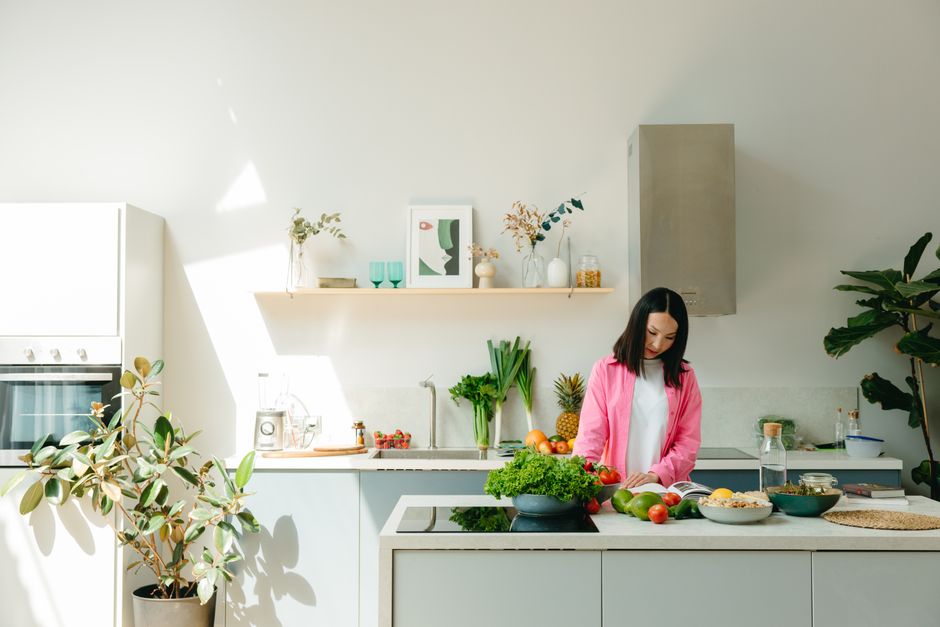
Healthy airflow routes help evaporate moisture quickly, making handrails dry to touch and safe to grip. Using mould-resistant materials and sealants near handrails limits unhealthy spores that degrade IAQ and pose respiratory risks.
Summary: The Handrail Trifecta for Lasting Security
Factor Key Points Why It Matters Sturdy Installation Mount to studs, use corrosion-resistant fixings, test strength Prevents wobble, gives confidence and safety Grip-Friendly Rail Ergonomic diameter, textured surface, comfortable materials Makes holding natural, secure, reduces slipping Proper Handrail Height 34-38 inches standard, aligned with wrist/elbow level, consistent runs Ergonomically sound, reduces fatigue or awkward gripsShare This Guide
If you found this guide on making handrails feel secure helpful, share it with friends and family who might benefit from safer homes:
- Share on Facebook (YourHealthDMV)
- Share via Email
Final Thoughts
Good handrails don’t happen by chance; they are a blend of thoughtful design, quality materials, precise installation, and environmental awareness. In humid climates, treating bathrooms, kitchens, and laundries as interconnected humidity systems ensures your handrail and adjacent areas stay dry, mould-free, and safe. Always remember to ask yourself during renovations: “Where does the steam go?” because the answer affects everything from indoor air quality to the stability of your handrail.
By applying these principles and focusing on durability and user comfort, you’ll end up with a handrail that feels secure every time you reach for it — not a wobbly, useless feature gathering dust.
```