Where Should I Clean First If I Suspect Roach Allergen?
If you’re dealing with cockroach allergen in your home, first of all — don’t panic, and don’t grab those foggers ("bug bombs," which I personally hate) or random sprays without a plan. As a licensed pest control operator with ten years of experience along Florida’s northeast coast, I’ve seen countless homes struggle with the persistent dust and proteins left behind by cockroaches. Before spending money on treatments or cleaning tools, the first step is understanding where to clean and why, especially when focusing on allergen reduction.
Why Worry About Cockroach Allergens?
Cockroach allergen proteins, mainly Bla g (from German cockroaches) and Per a (from American cockroaches, often miscalled "palmetto bugs"), play a major role in triggering asthma and allergy symptoms — especially in humid Florida homes that never really get a break from outdoor pressure and warmth. These proteins aren’t just in cockroach droppings; they’re all over feces, cast skins, saliva, and body parts, Find out more forming persistent dust that settles in cracks, crevices, and under appliances.

Because Florida’s warm weather allows American cockroaches to thrive all year round, and German cockroaches can nest deeply inside kitchens and bathrooms, infestations (and allergen buildup) can be hidden from view. This means your sneezing, wheezing, or asthma flares might be inches away from where you cook or sleep.
The Difference Between American Cockroach and German Cockroach Allergens
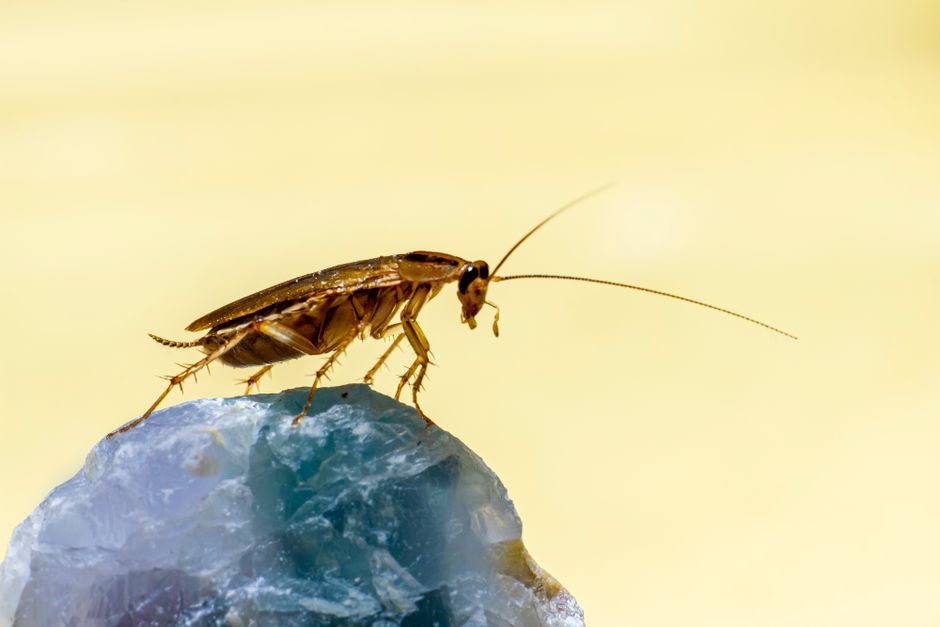
Cockroach Species Common Name Allergen Protein Common Hiding Spots Notes on Behavior Periplaneta americana American cockroach ("Palmetto bug") Per a Behind refrigerators, under dishwashers, basement and crawl spaces Larger, outdoor/indoor; tends to be more visible, but allergen still persistent Blattella germanica German cockroach Bla g Under stoves, kitchen cracks, wall voids, behind cabinets Smaller, indoor-only; very prolific, hidden infestations commonNote: I always remind people that calling every roach a “palmetto bug” can confuse treatment efforts. Why? Because American and German cockroaches have different habits and hiding spots, which affect how allergens accumulate and how you should clean.
Where Should You Start Cleaning When Roach Allergen Is Suspected?
The most important places to start are the ones where allergen dust accumulates in hidden, hard-to-see spots—and where cockroaches love to live:
- Behind the refrigerator
- Under the stove
- Under the dishwasher
These are classic hot spots for both American and German cockroaches because food debris, moisture, and warmth come together, creating perfect conditions for roaches and their allergen buildup. Let's break down why each area matters and how to clean effectively.
Behind the Refrigerator
This area collects food crumbs, spilled drinks, and grease while offering a warm, dark space cockroaches adore. American cockroaches often nest here, but German cockroaches can squeeze in tight spaces too. Pull the fridge out — yes, pull it out — to avoid just spraying chemicals into thin air. Many people miss this step, leading to persistent problems.
- Clean Method: Use a HEPA filter vacuum to suck up allergen dust and droppings first — vacuuming traps tiny particles that easily become airborne.
- Then: Wet-wipe all surfaces with a damp microfiber cloth and a mild cleaning solution to capture residues. Never dry-dust here — that just spreads allergen dust into your breathing zone.
Under the Stove
Under the stove’s heavy, tight space tends to trap crumbs, grease, and moisture. German cockroaches prefer these darker indoor crevices, making this a hotspot for Bla g allergen buildup. Many people think vacuuming is enough, but it’s not — allergen proteins stick tightly to surfaces.
- Step 1: Pull the stove away carefully to inspect and vacuum hidden spots.
- Step 2: Wet-wipe surfaces, knobs, grates, and mechanisms to remove embedded allergens.
Under the Dishwasher
Dishwashers create a humid environment that attracts cockroaches looking for water and food scraps. Both American and German cockroaches will happily exploit this space, leading to heavy Per a and Bla g allergen accumulation. It’s a forgotten spot when cleaning, but a critical area to address.
- Step 1: Use a HEPA vacuum to capture dust and debris from underneath and around dishwasher edges.
- Step 2: Wet-wipe the floor, walls, and any other surfaces to thoroughly remove residues.
Why Use HEPA Filter Vacuuming and Wet-Wiping Instead of Dry-Dusting?
Traditional dusting pushes allergens into the air, aggravating asthma and allergy symptoms. Dust particles from cockroach proteins are tiny, and dry dusting only redistributes them without removing them.
- HEPA filter vacuuming traps 99.97% of particles down to 0.3 microns, capturing allergen dust without releasing it back into your environment.
- Wet-wiping employs damp microfiber cloths to pick up and lock in allergen residues safely. It’s far more effective at allergen removal than dry cloths.
Combined, these methods greatly reduce airborne cockroach proteins, helping improve indoor air quality and minimizing allergy triggers.
Florida's Year-Round Challenge: Humidity and Outdoor Pressure
Florida’s consistent warmth and high humidity levels make roach control challenging. Persistent outdoor pressure means cockroaches continually try to migrate indoors, bringing allergens with them.
Because of this, cleaning alone is crucial but not enough. Proper exclusion, moisture management, and pest roach bait placement under sink control complement your cleaning efforts. Still, the first and best step is to systematically reduce allergen reservoirs inside your home by focusing on those hidden hotspots behind and under major appliances.
Practical Cleaning Checklist: What to Do First When You Suspect Roach Allergen
- Pull out major appliances: refrigerator, stove, dishwasher
- Use HEPA vacuum: vacuum behind and under appliances, inside cabinet corners, and along baseboards
- Wet-wipe surfaces: damp microfiber cloth plus mild detergent or allergen-specific cleaners
- Discard food and debris: garbage, crumbs, and spills attract cockroaches
- Check for signs of roaches: feces, skins, egg cases, and grease marks
- Implement pest control: bait stations or professional treatments as needed
- Maintain humidity and plumbing: fix leaks and reduce moisture sources
Final Thoughts and My Personal Tip
Before you buy another can of spray, remember my mantra: always pull the fridge out. I can’t stress enough how often I've seen treatment fail because homeowners never cleaned (or even looked!) behind their major appliances—where roach allergens hide and silently worsen health issues.
Always combine HEPA vacuuming with wet-wiping to minimize airborne allergen dust instead of dry dusting or relying on bug bombs, which are an allergy nightmare. With these steps, you’re on the right path to controlling cockroach allergen in your Florida home.
If you want help locating persistent infestations or want proven treatment and cleaning guidance, I’m just a call away along the northeast coast of Florida—from St. Augustine to Palm Coast, servicing St. Johns and Flagler counties.
Stay clean, stay healthy, and don't let cockroach allergens bug you!